Agriculture is one of the firm's deepest areas of operating expertise. It is not the limit of its advisory capability.
More than a decade on the operating side of farming, controlled environment growing and automation, across more than 200 farms and ten built projects on four continents, and a working method for judging whether an agricultural technology deploys.

Built and run, not reviewed.
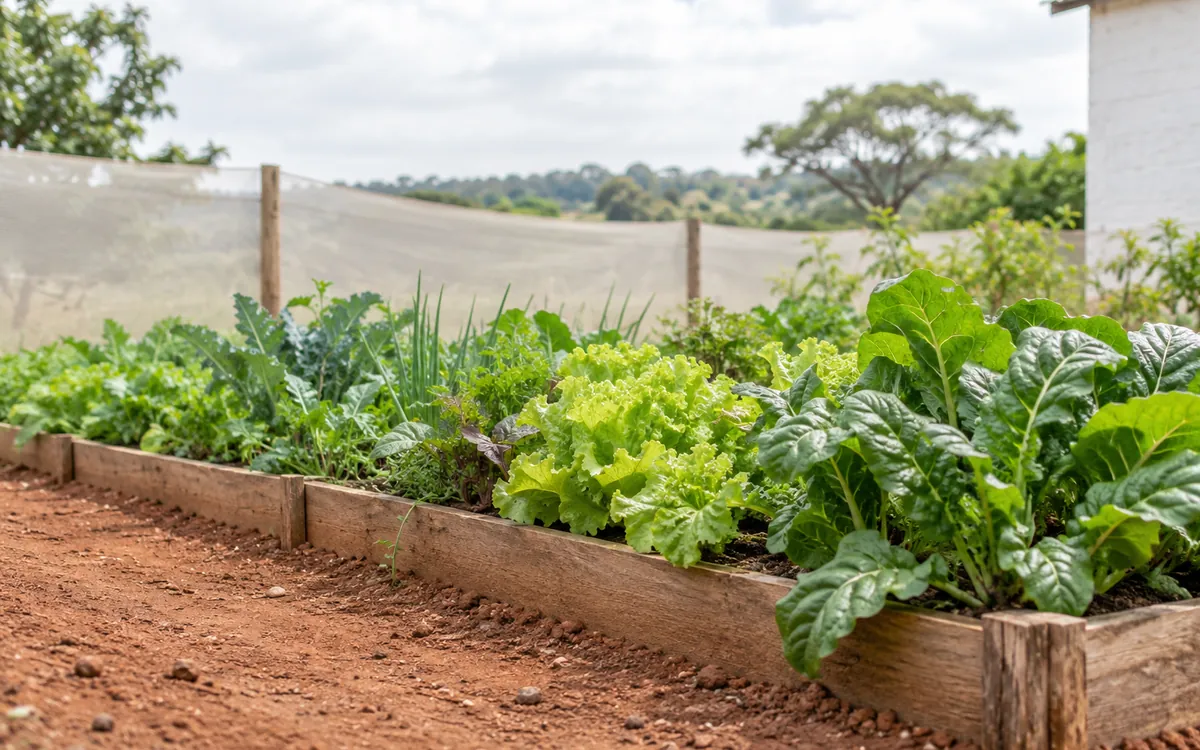
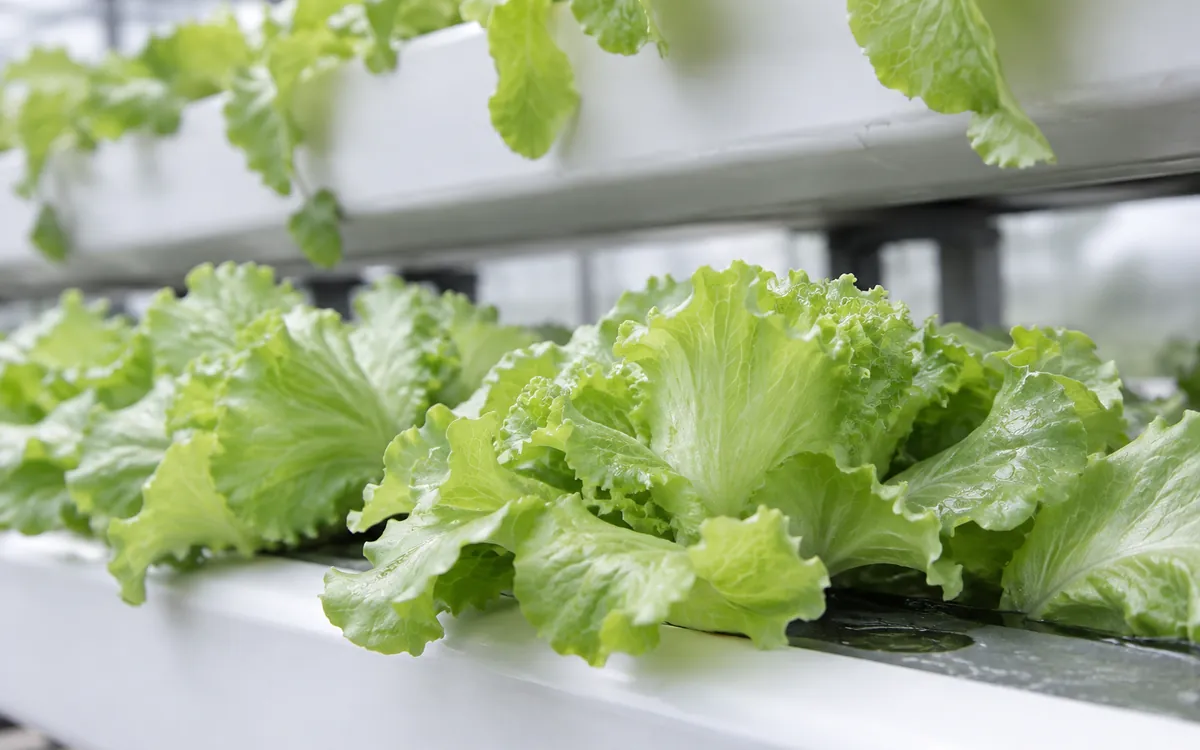
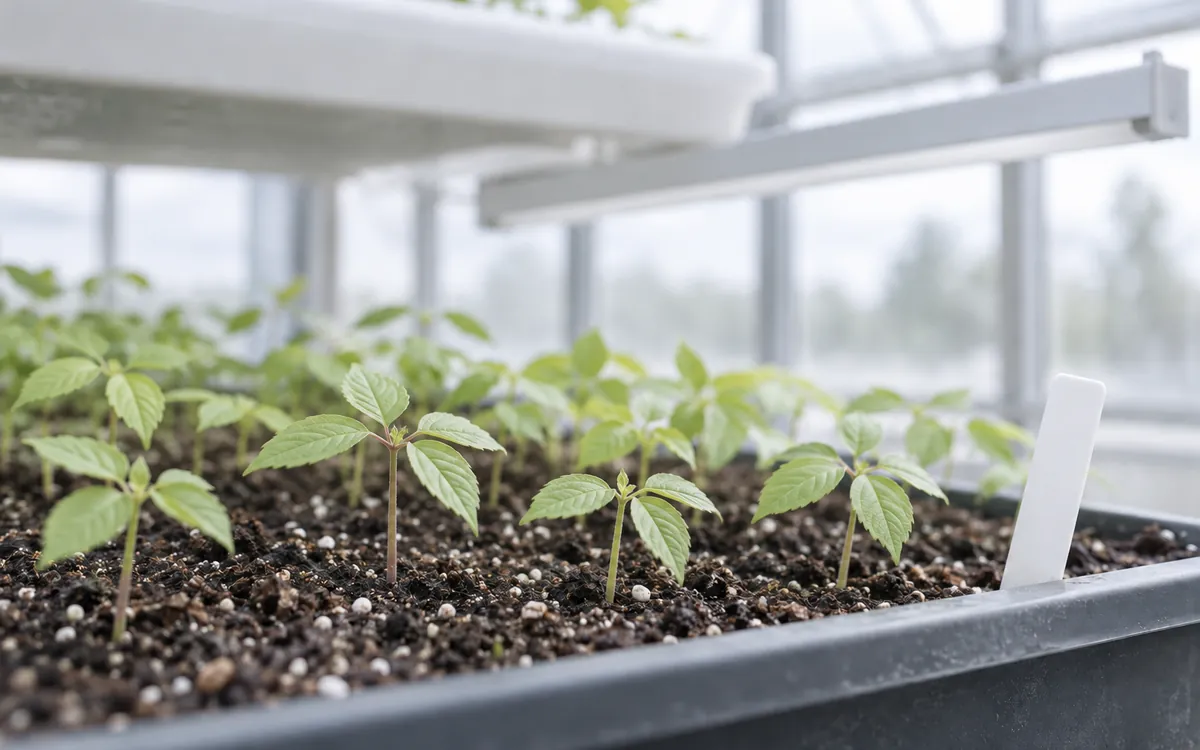
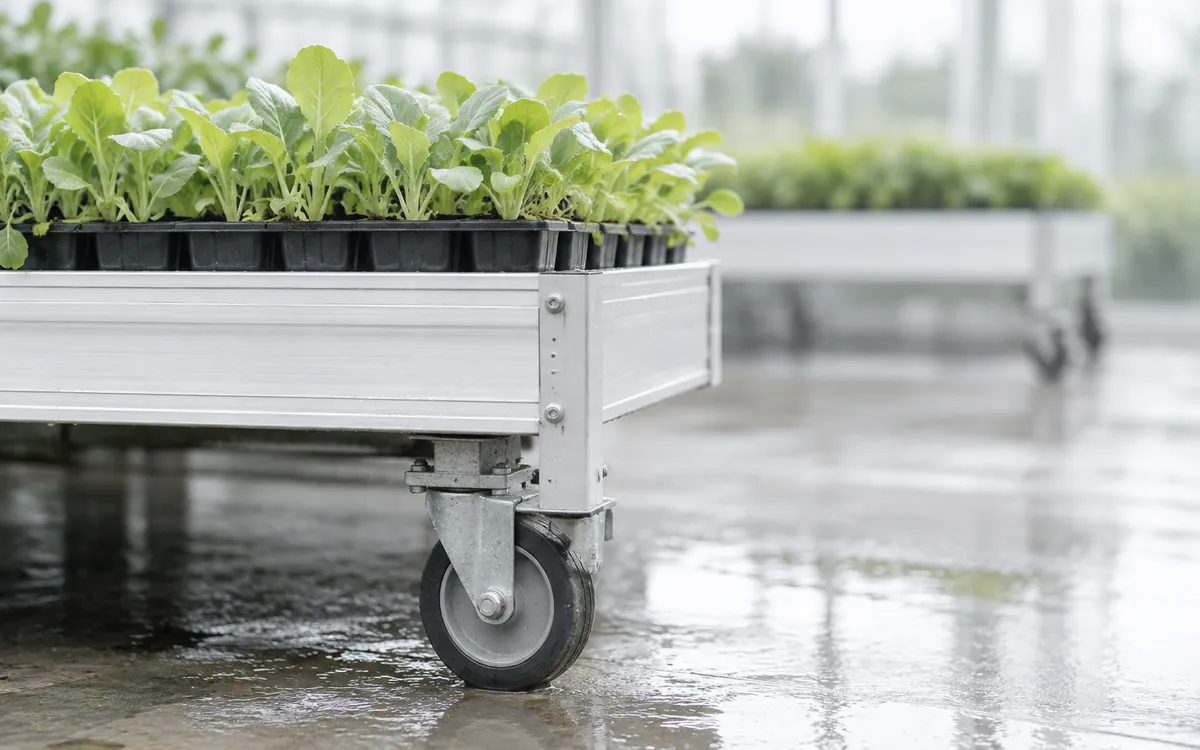
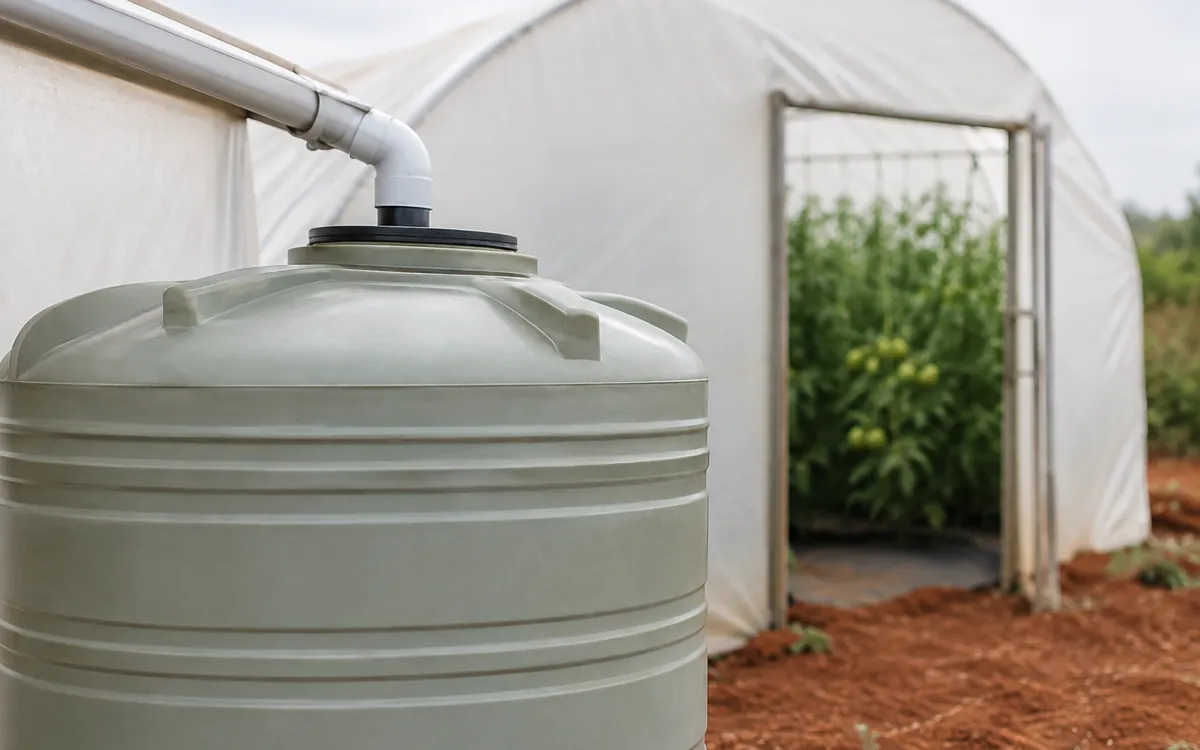
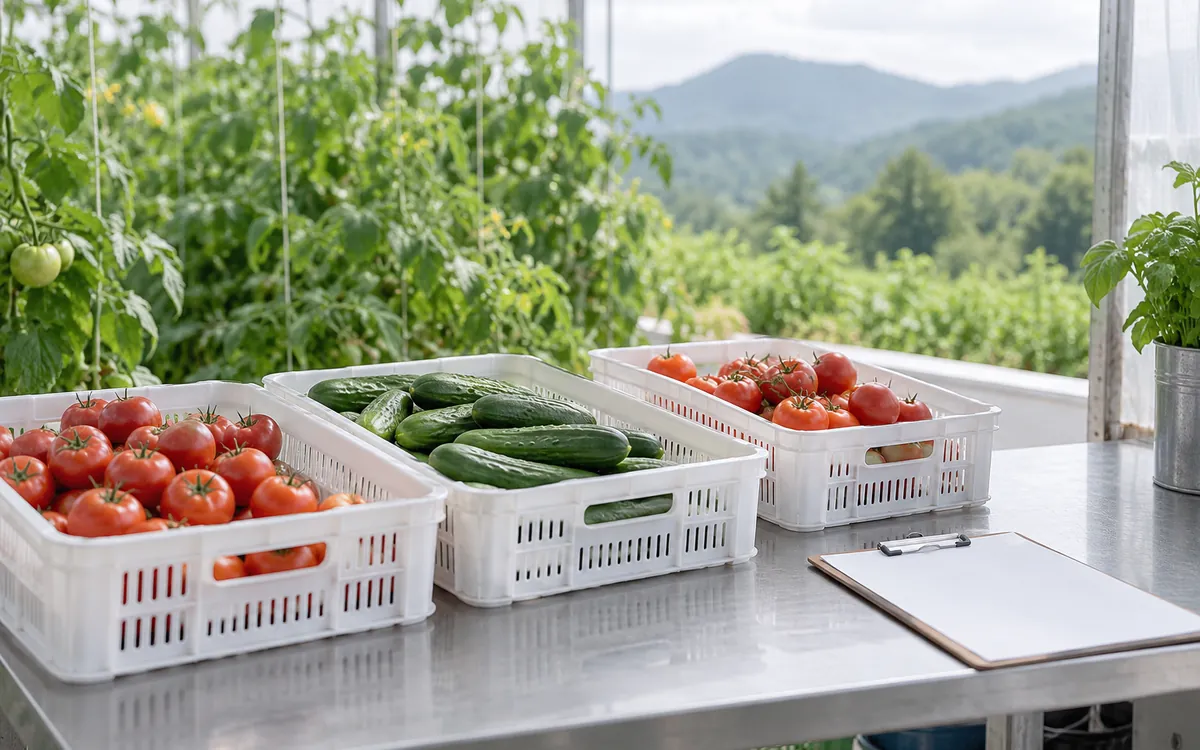
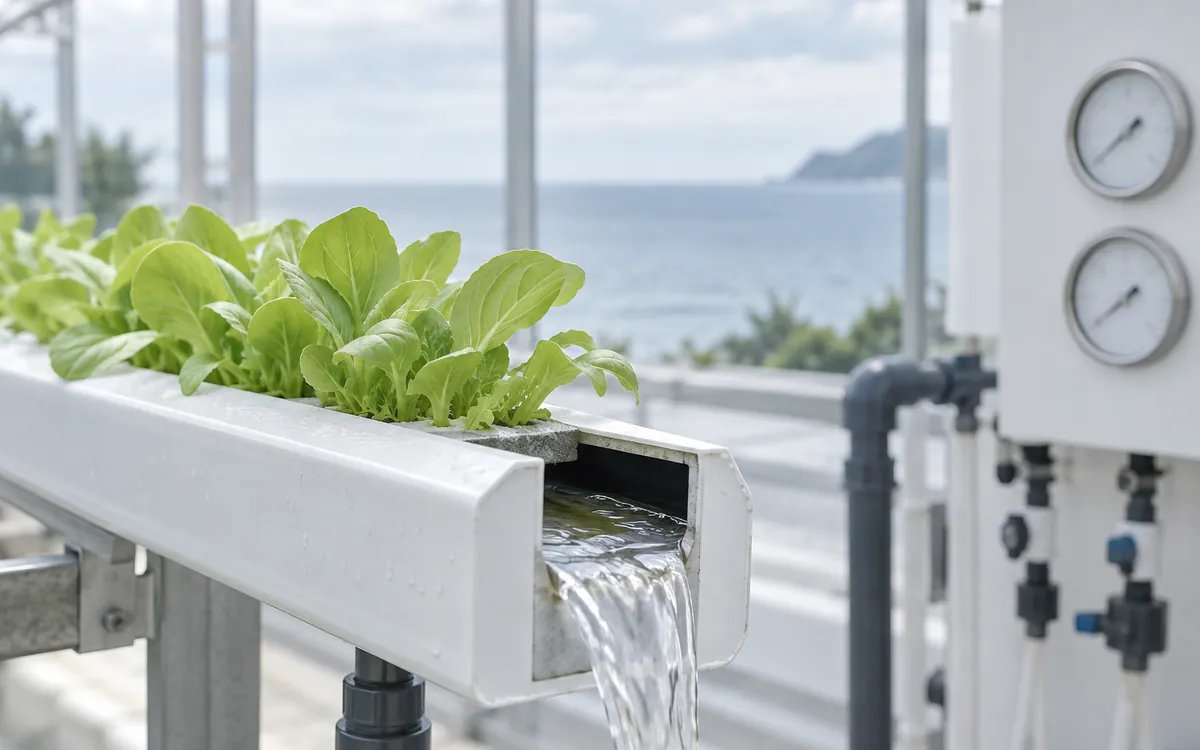
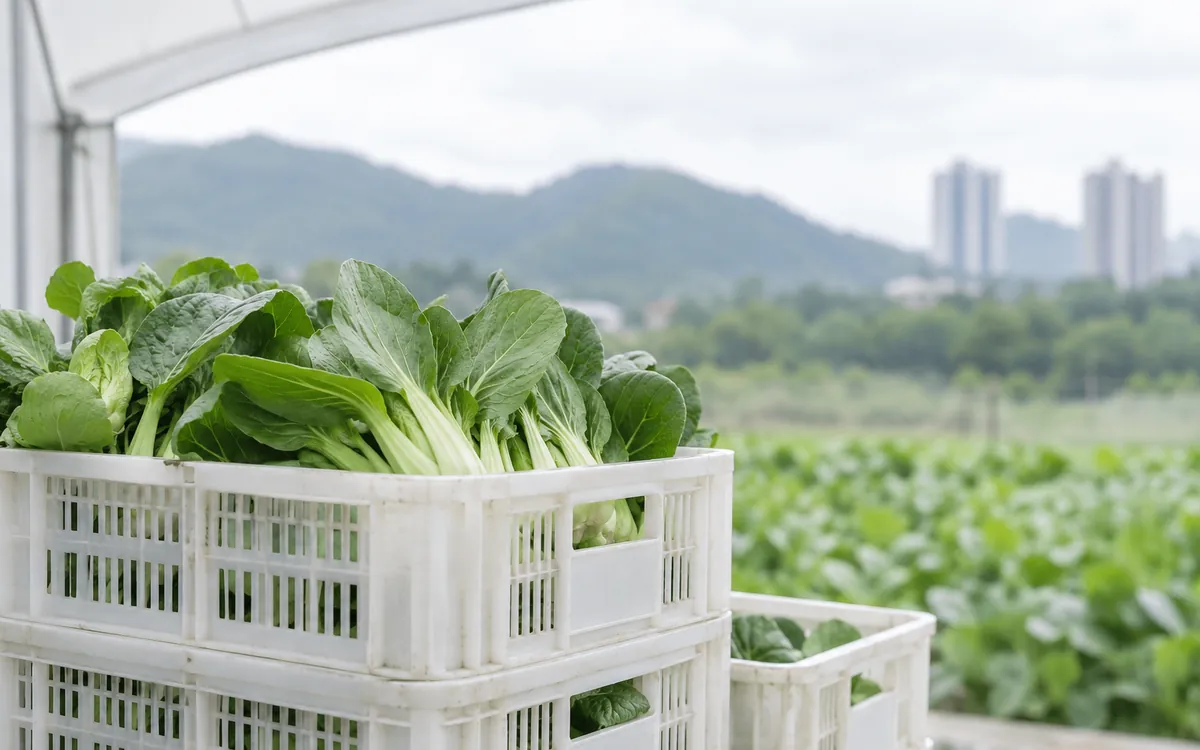
The firm's agricultural work spans international farming operations, protected and controlled environment production, hydroponics, automation and the commercialisation of agricultural technology. The ten projects below are shown as source records from the project register: location, footprint, listed investment and the brief, and nothing modelled.
That experience is why JYCO can judge a technology on a real farm: whether it works outside the pilot, whether it fits the grower's workflow, whether the economics hold in the grower's own units, whether site twenty can be installed without the founder, and whether the company can finance the scale.


Seed asks whether the technology works. Series B asks whether it deploys profitably.
Those are different questions, answered by different capabilities. Most agricultural technology fails not because the technology does not work but because the path from pilot to repeatable, profitable deployment was never engineered.
Agriculture is a system of variables, not a single production problem.
Agri Variables is the operating method James built across the farm projects. It deconstructs a farm into its physical, environmental, biological, operational and commercial variables, establishes the current operating state, models how the variables interact, identifies the constraints and the points where intervention pays, and sets the pathway to a commercial outcome. Eight steps, run in the same order on every system, from a 500 square metre research greenhouse to a million square metres of desert.
Capture
Collect the physical, biological, environmental, operational and commercial variables.
Structure
Organise them into categories and the relationships between them.
Model
Establish the current state, with its dependencies, constraints and sensitivities.
Intervene
Decide which variables can be changed, controlled, optimised or removed.
Trajectory
Model the pathway from the current condition to the desired one.
Execute
Translate the model into infrastructure, technology, inputs, procedures and people.
Measure
Compare actual performance against the expected operating state.
Optimise
Use what the measurement shows to improve productivity, economics, resilience and scale.
The Agricultural Scale Review.
A fixed scope diagnostic for companies that have proven a technology and not yet proven repeatable deployment. The one engagement with a published fee.
Discovery conversation. Thirty minutes with James: where the company is, what sits between it and the next hundred sites, and whether we are the right people to help.
Agricultural Scale Review. Six dimensions, scored with Agri Variables, across two working sessions in three weeks, ending in three priority interventions in writing. A fixed fee of USD 7,500, offset in full against the first month of any advisory retainer that follows.
Advisory. A monthly retainer with James for the decisions that determine whether the technology becomes a business, and the introductions that follow. Where the market position and the commercial proof are part of the work, the team joins the engagement.
Where an engagement leads to a transaction, support is a fee agreed in writing before the process starts. We are not brokers, investment managers or lawyers.
JYCO selectively invests its own capital, sometimes in companies it already advises. We do not take a position in a company while advising it on a live raise, and any transaction fee is disclosed to the lead investor. These are proprietary investments: not a fund, and not a service we manage for others.